Set your Journey to 8th Wonder of the World!
Breathtaking ancient rock fortress and UNESCO World Heritage Site in Sri Lanka. Surrounded by lush greenery and adorned with intricate frescoes, it offers a perfect blend of natural beauty and historical grandeur.
Heritage Sigiriya
Overview
Si = Lion giriya = Rock
Sigiriya, also known as the Lion Rock, is one of Sri Lanka’s most iconic landmarks and a UNESCO World Heritage Site. Located in the Central Province, this ancient rock fortress rises dramatically 200 meters above the surrounding plains, offering breathtaking views and a glimpse into Sri Lanka’s rich history and culture


History
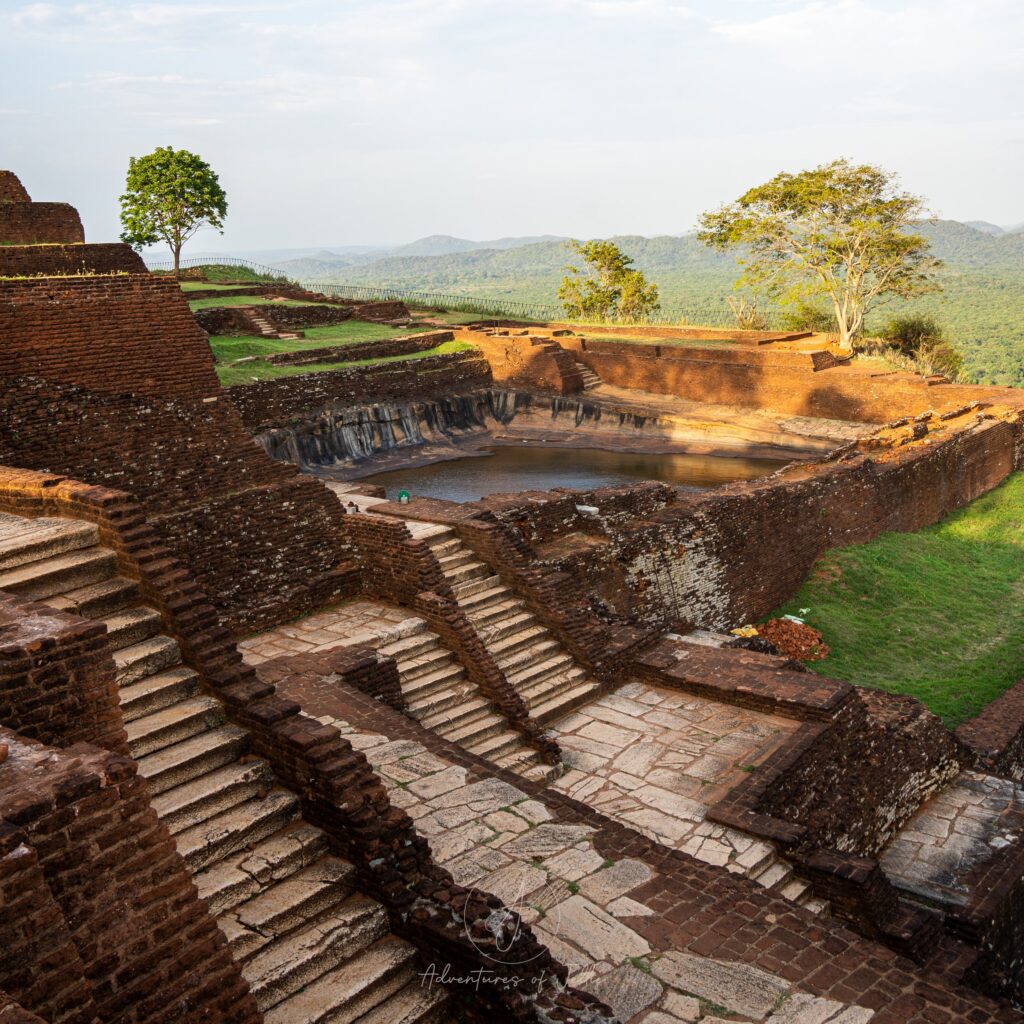
Built during the reign of King Kashyapa in the 5th century AD, Sigiriya served as a royal palace and fortress. Its name is derived from the enormous lion-shaped structure that once dominated its entrance, symbolizing power and strength. Though only the lion’s paws remain today, they evoke a sense of the grandeur that once existed.


Visitors to Sigiriya can explore the well-preserved ruins of the palace at the summit, as well as marvel at the engineering brilliance of the water gardens, frescoes of celestial maidens, and the ancient mirror wall. The climb to the top is a journey through history, art, and natural beauty, making Sigiriya an unforgettable destination for travelers.
Pidurangala
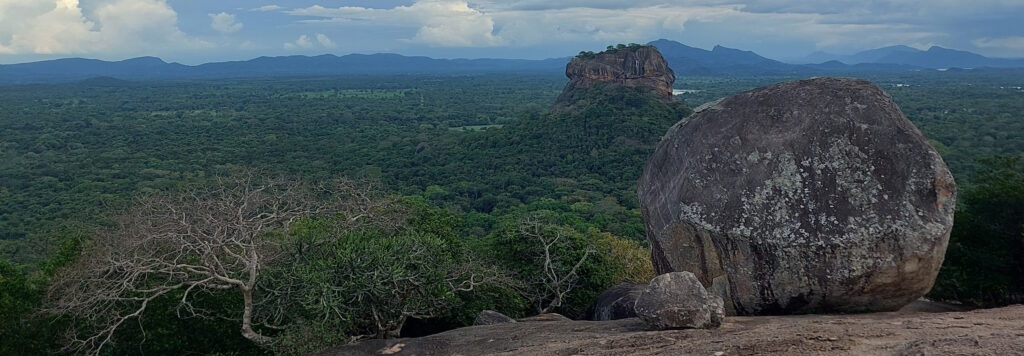
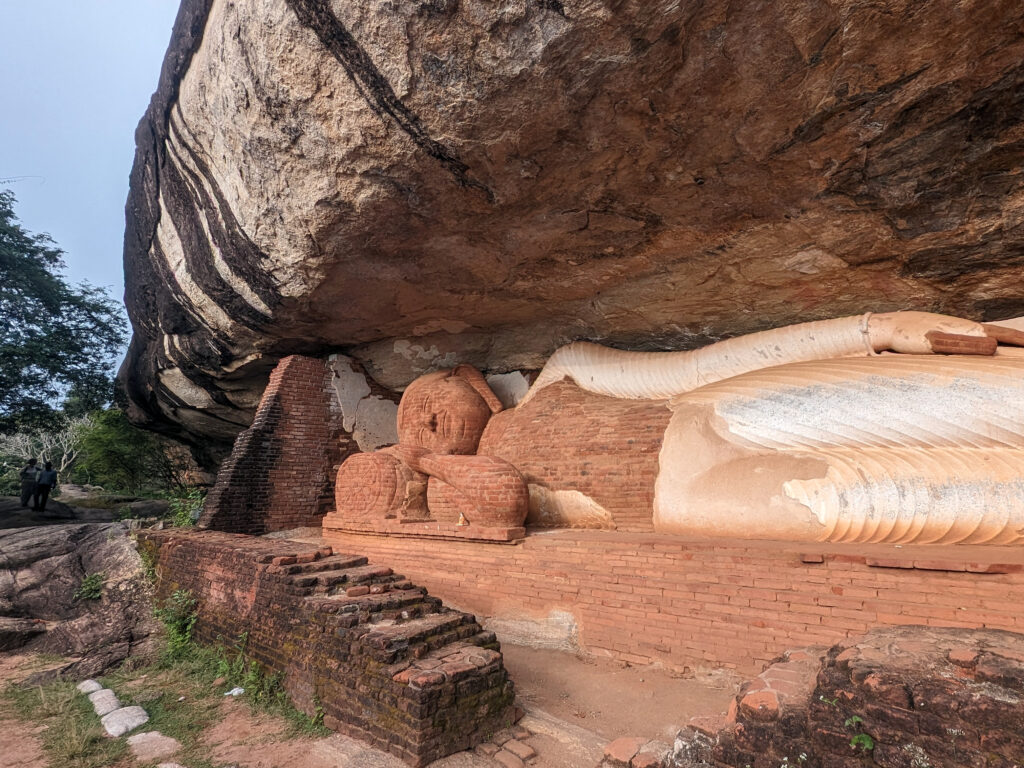
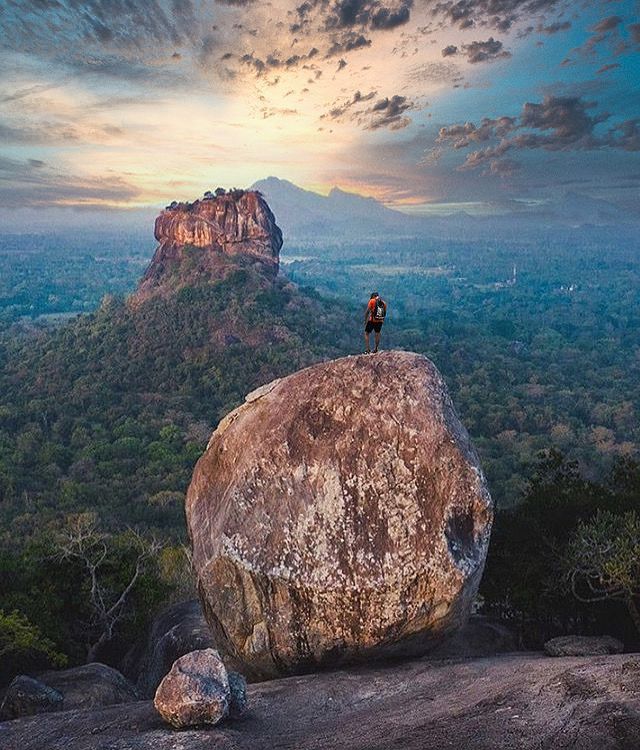
Pidurangala, located near Sigiriya, is a sacred rock formation steeped in history and natural beauty. Renowned as a significant Buddhist heritage site, it served as a monastery and meditation retreat for monks during ancient times. The climb to the summit offers breathtaking panoramic views of the surrounding landscape, including a stunning perspective of the iconic Sigiriya Rock. Along the way, visitors can explore ancient ruins, including a reclining Buddha statue carved from stone. Pidurangala is not just a place of historical and cultural importance but also a serene destination for nature lovers and adventurers.


Dambulla Cave Temple
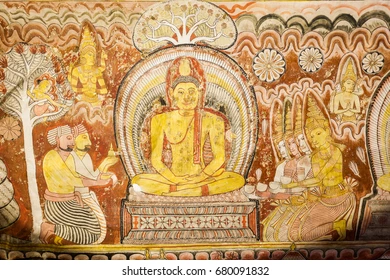
Golden Temple of Dambulla, is a UNESCO World Heritage Site and one of the most significant and well-preserved historical landmarks in Sri Lanka. Located atop a massive rock in the central part of the island, it features five main caves adorned with ancient murals, statues, and carvings that reflect the island’s rich Buddhist heritage.


History
The Dambulla Cave Temple dates back over 2,000 years and has been a significant site for Buddhism in Sri Lanka since the 1st century BCE.
- King Valagamba’s Era (1st Century BCE):
The temple’s origins are tied to King Valagamba, who sought refuge in these caves during a period of exile after losing his throne. Upon regaining his kingdom, he converted the caves into a temple as a gesture of gratitude. - Development Over Centuries:
Subsequent kings, including those from the Anuradhapura and Kandy eras, contributed to the temple’s development by adding murals, statues, and structural enhancements. The present-day intricate paintings and over 150 Buddha statues were added over centuries.
Legends
Sacred Protection:
It is believed that Hindu gods, especially Vishnu, played a role in safeguarding the caves and the Buddhist faith during times of peril. This is why Hindu deities are represented within the temple.
Valagamba’s Divine Connection:
Legend says that the gods guided King Valagamba to these caves during his time of need, ensuring his survival and eventual return to power.
Golden Ceiling:
The ceiling of the caves is painted with intricate patterns resembling golden lotus flowers. Some believe these represent divine blessings and eternal enlightenment.